

From Riyadh’s eastern side, Thumamah National Park is a road-trip destination in the desert northeast of the city, now part of the King Khalid Royal Reserve. Its broad open terrain offers a different kind of day out from the city. Visits are daytime, and access should be arranged before setting out.
- Location: Northeast of Riyadh and southeast of King Khalid International Airport.
- Reserve scale: Approximately 720 km².
- Access: A dual-road network serves the reserve from four directions.
- Visit pattern: Visits are during the daytime.
- General entry: No general entry fee is charged; particular activities may have operator fees.
What to expect at Thumamah
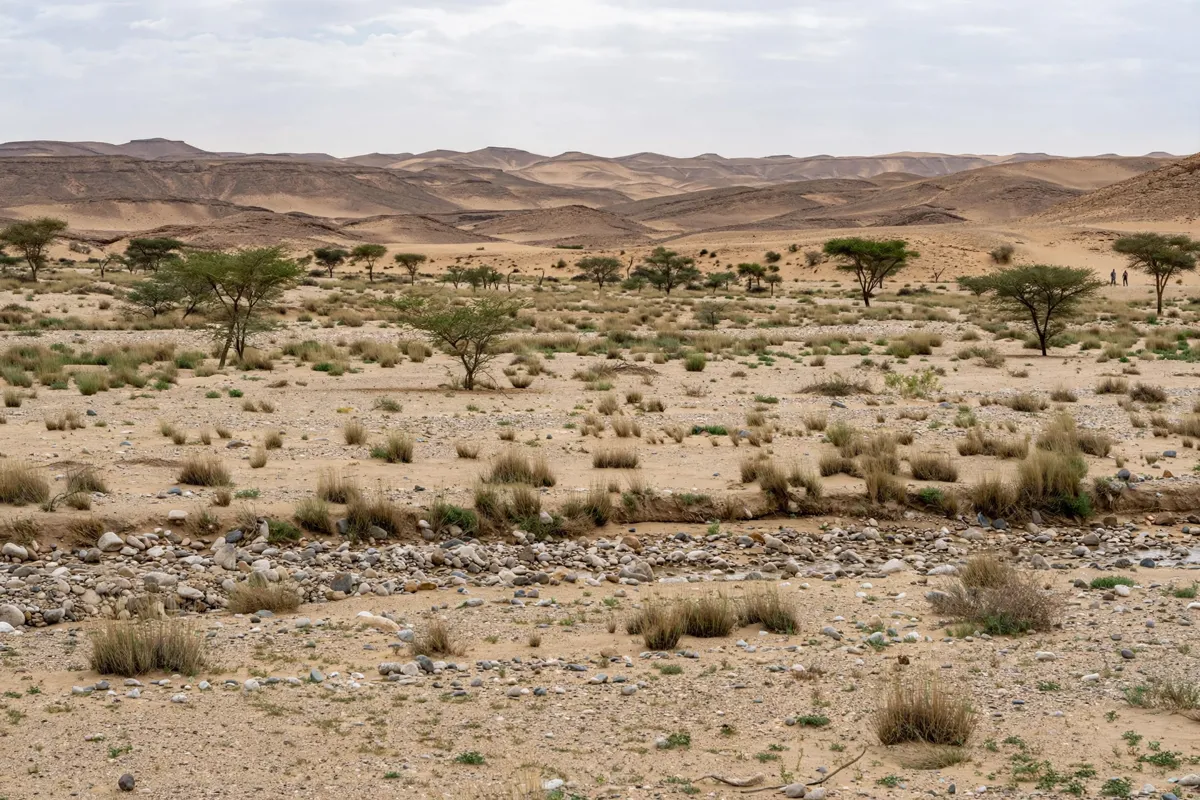
Thumamah is a large protected desert landscape within the King Khalid Royal Reserve, rather than a small, defined park site. Saudipedia gives the reserve’s area as approximately 720 km² and describes it as about 80 km from downtown Riyadh and about 65.6 km from King Khalid International Airport; driving distance varies with your route and destination inside the reserve.
The place has a changing name and history. Thumamah National Park is the former name of the King Khalid Royal Reserve, and sources also refer to the earlier site as al-Thumamah Wildlife Park or ath-Thumamah Park. Approval to convert al-Thumamah Wildlife Park into a royal reserve was issued on October 2, 2019.
How do you access Thumamah from Riyadh?
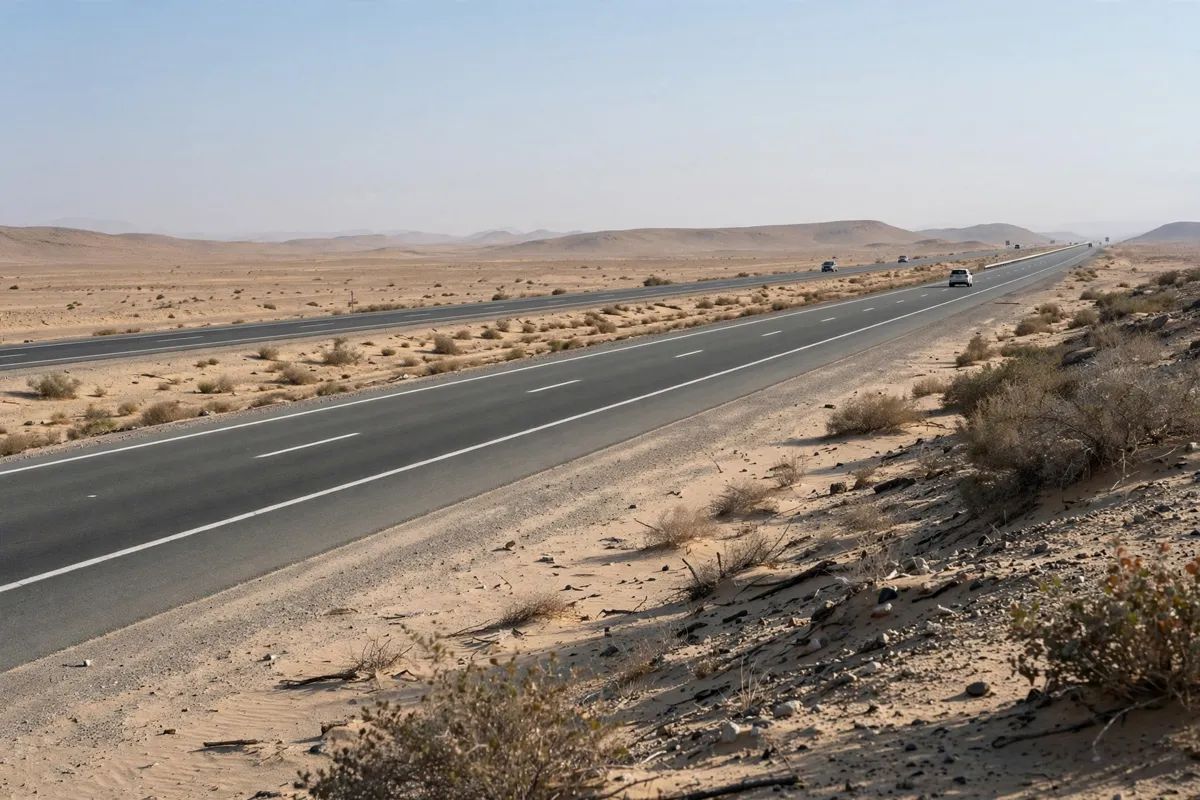
You can reach the reserve by road, but public transport to protected areas is not currently available. A dual-road network serves the reserve from four directions, so check your intended destination within the reserve before choosing a route.
From Gold Inn Serviced Apartment, King Fahd International Stadium is about 13 minutes by car; it can make a city-side stop before or after your reserve trip. For other city journeys, Riyadh transport options from an eastern base can help you plan how to get around.
Reserve visits are requested through the Fatri platform and are free. Reserve staff accompany visitors on guided or exploratory trips. General entry has no fee, although licensed operators may charge for particular ecotourism activities.
Planning a daytime visit
- Entry
- fee information
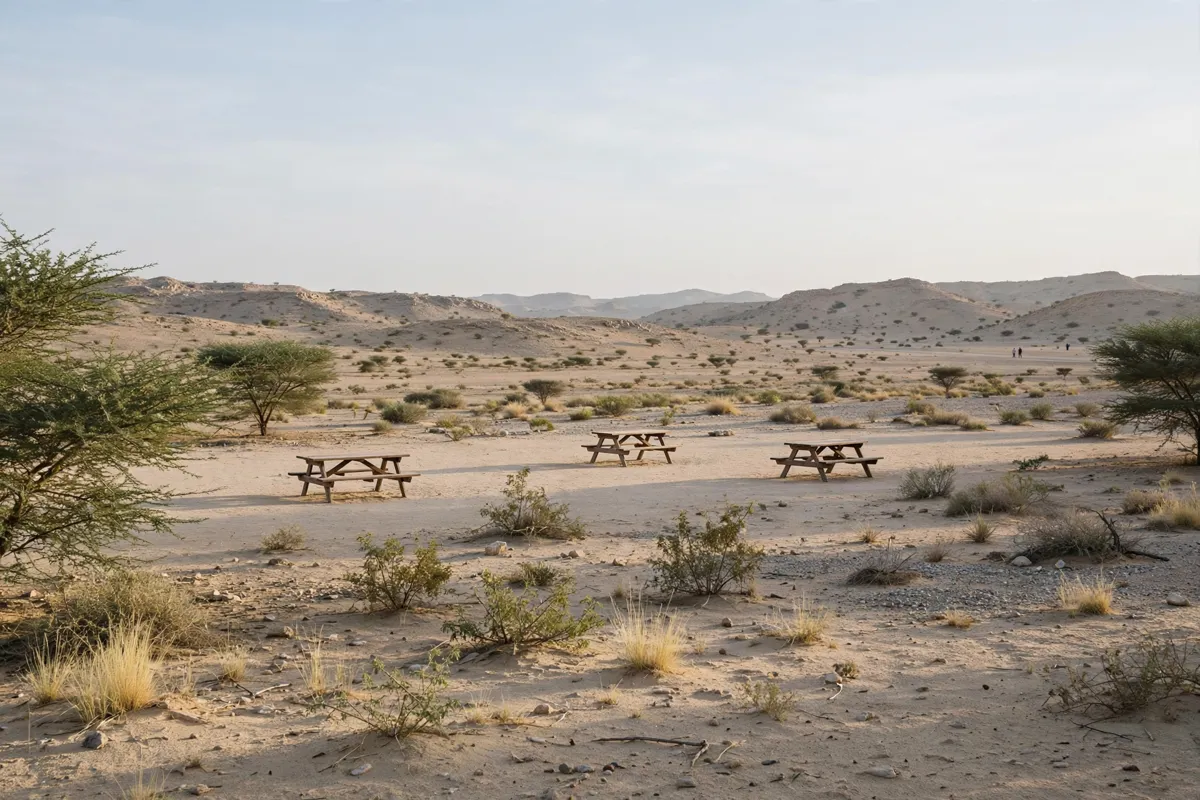
Visits are during the daytime, and overnight stays are not currently allowed except at eco-camps in some reserves. Confirm the arrangements before departure.
There is no general public transport to protected areas, so arrange your own road transport. If you are combining the reserve with a city itinerary, the Riyadh route from the museum to the old city covers a different kind of day out.
Before you go, check the official site: use the National Center for Wildlife for reserve visit and access guidance, and the Imam Abdulaziz bin Mohammed Royal Reserve Development Authority for general entry-fee information.
What should you prepare for a park day?
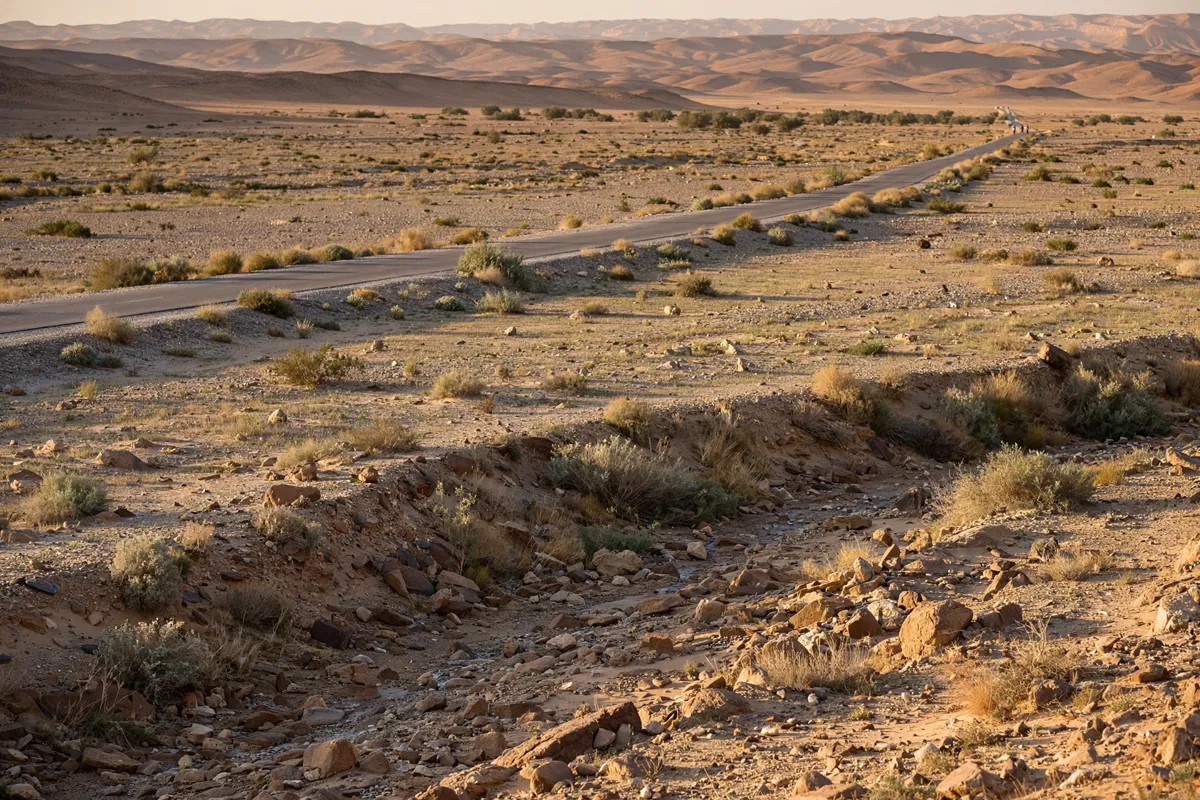
Bring enough food and water, first-aid equipment, and check the weather before leaving. The National Center for Vegetation Cover Development and Combating Desertification advises campers to drive carefully, avoid damaging vegetation and leave the site clean. Its general camping guidance recommends imported rather than local firewood; it does not establish that fires are permitted at Thumamah.
Do not assume that camping-permit prices or rules published for other reserves apply here. For example, camping fees and designated-site requirements can be specific to a different reserve or authority.
Check the rules for your destination and activity before making plans. The National Center for Wildlife also says recycling facilities are not currently available in the reserves, so plan to take your waste with you.
For the Riyadh end of your itinerary, Gold Inn rooms in Riyadh provide a hotel option in the city.
FAQs
Is Thumamah National Park the same as the King Khalid Royal Reserve?
Thumamah National Park is the former name of the King Khalid Royal Reserve. Sources use more than one name for the earlier park.
Do you pay to enter the reserve?
There is no general entry fee, though a licensed operator may charge for a particular ecotourism activity.
Can you stay overnight?
Overnight stays are not currently allowed except at eco-camps in some reserves. Confirm whether any such option applies to your planned visit.
Can you reach the reserve by public transport?
Public transport to protected areas is not currently available. Plan to travel by road.